
Buying Guides
Buying Used Stage Equipment: Professional Guide 2026
May
Buying used stage equipment can save production companies and venues 40–70% compared to new — but only if you know what to inspect and where to buy. This guide covers the practical checks, warranty considerations, and category-specific issues that separate a smart purchase from an expensive mistake.
Why Buy Used Stage Equipment?
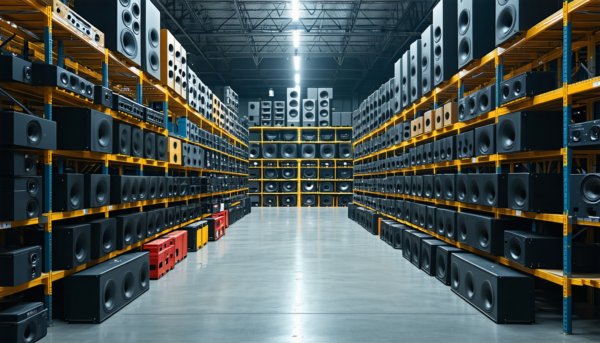
Professional AV gear is built to last. Line arrays tour for years. Moving heads clock thousands of hours. Digital consoles run entire festival seasons. Most equipment is retired not because it’s broken, but because clients want the latest model or a company is downsizing.
The economics are straightforward:
- Flagship line array systems: 50–60% cheaper used vs new
- LED moving heads: 40–50% saving after 2–3 years
- Digital consoles: 30–40% discount for previous-generation models
- Staging and truss: minimal depreciation if well-maintained
For rental houses expanding inventory or venues upgrading fixed installs, used gear offers faster ROI without compromising on professional spec.
Where to Buy: Marketplace vs Private Seller
Not all used equipment sources are equal. The warranty gap matters.
Private sellers and auction sites almost always sell “as seen” with no comeback. You inspect on collection day, and once it’s loaded, it’s yours. If a power supply fails the next week or a driver blows on first use, you’re covering the repair.
Established marketplaces like 10K Used Gear offer a 21-day warranty covering major defects. If the equipment arrives faulty or develops a significant issue within three weeks, you’re protected. For high-value items — consoles, line arrays, video processors — that warranty is worth the marginal price difference.
General Inspection Checklist
Before committing to any used stage equipment purchase, work through this baseline checklist:
- Cosmetic condition: Road case damage is normal. Deep dents, cracked housings, or missing panels suggest rough handling that may have affected internals.
- Serial numbers: Verify they match listings and haven’t been removed or defaced. Check against manufacturer theft registries if available.
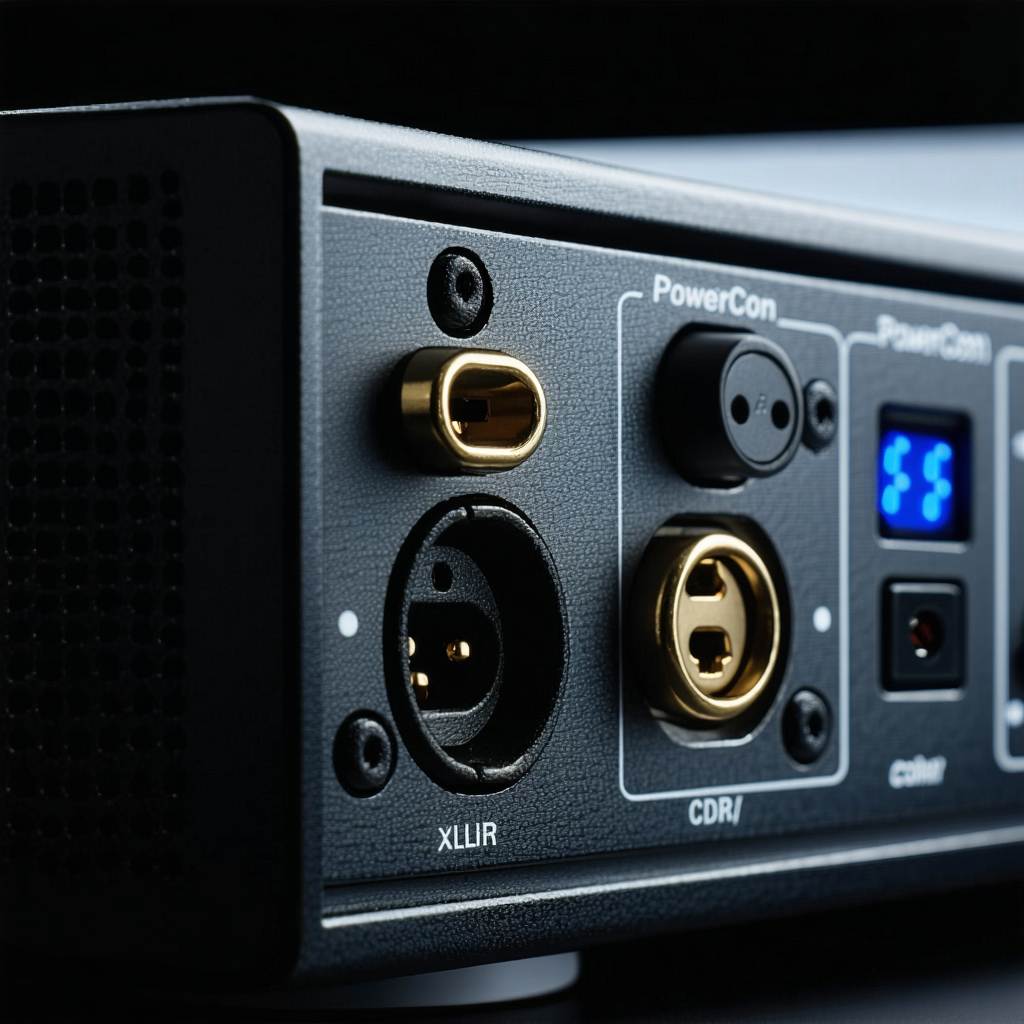
- Connectors and cabling: Inspect XLR, powerCON, etherCON sockets. Worn or loose connectors mean future failures.
- Firmware and software: Confirm the unit runs current or recent firmware. Obsolete software can limit compatibility with modern control systems.
- Service history: Ask for maintenance records. Professional sellers should have logs. No history is a red flag for high-value items.
- Power-on test: Never buy sight-unseen without at least a power-on demo. Listen for fan noise, check display clarity, verify all outputs.
Category-Specific Issues to Check
Used Pro Audio Equipment
Line arrays and loudspeakers:
- Driver condition — request a frequency sweep test. Listen for distortion, rattles, or dead drivers.
- Rigging hardware — inspect flying points, pins, and safety cables. Bent or stressed rigging is non-negotiable.
- Amplifier modules — check for burnt smell, verify all channels output correctly.
- Weather exposure — ask if cabinets have been used outdoors. UV damage and moisture ingress shorten lifespan.
Digital mixing consoles:
- Fader and encoder feel — worn faders are expensive to replace. Test every channel.
- Touchscreen responsiveness — dead zones or calibration drift indicate heavy use.
- I/O cards and stageboxes — verify all installed cards are recognised. Test phantom power on every preamp.
- Cooling fans — loud or failing fans suggest the console has run hot. Overheating damages DSP boards.
Microphones and wireless systems:
- Capsule condition — inspect grilles for dents. A damaged capsule changes frequency response.
- Wireless frequency legality — UK and EU regulations change. Verify the system operates on legal frequencies post-2022.
- Battery contacts — corrosion in transmitter battery bays is common and can cause dropouts.
Lighting and Effects
LED moving heads:
- LED lifespan — ask for total run hours. Most professional LEDs are rated 30,000–50,000 hours. Above 20,000, expect dimming.
- Colour consistency — if buying multiples, power them all on and check colour matching across the rig.
- Pan/tilt mechanics — listen for grinding or stuttering. Worn motors are costly repairs.
- Lens and optics — scratches, haze, or discolouration reduce output and beam quality.
Discharge fixtures (if still relevant to your rig):
- Lamp strike count — lamps have finite strikes. A fixture with 500 hours left on the lamp but 2,000 strikes is near end-of-life.
- Ballast condition — listen for buzzing or flickering on strike. Ballast replacement is expensive.
Video Equipment
LED screens and processors:
- Dead pixels — acceptable threshold depends on use case, but clusters of dead LEDs indicate module failure.
- Brightness uniformity — uneven brightness across panels suggests ageing or mismatched batches.
- Processor I/O — test all inputs and outputs. HDMI and SDI ports fail with heavy use.
- Calibration files — ask if the screen has been recently calibrated. Uncalibrated panels look amateurish.
Projectors:
- Lamp hours — replacement lamps cost £200–£2,000 depending on model. Factor this into price negotiation.
- Lens condition — check for dust, fungus (if stored in damp conditions), or scratches.
- Cooling system — blocked filters or failing fans cause overheating shutdowns.
Staging and Rigging
Staging platforms and risers:
- Deck surface — deep scratches, splits, or delamination are safety issues, not just cosmetic.
- Leg and frame integrity — check welds, especially on folding legs. Cracks compromise load ratings.
- Locking mechanisms — worn locks can fail under load. Test every connection point.
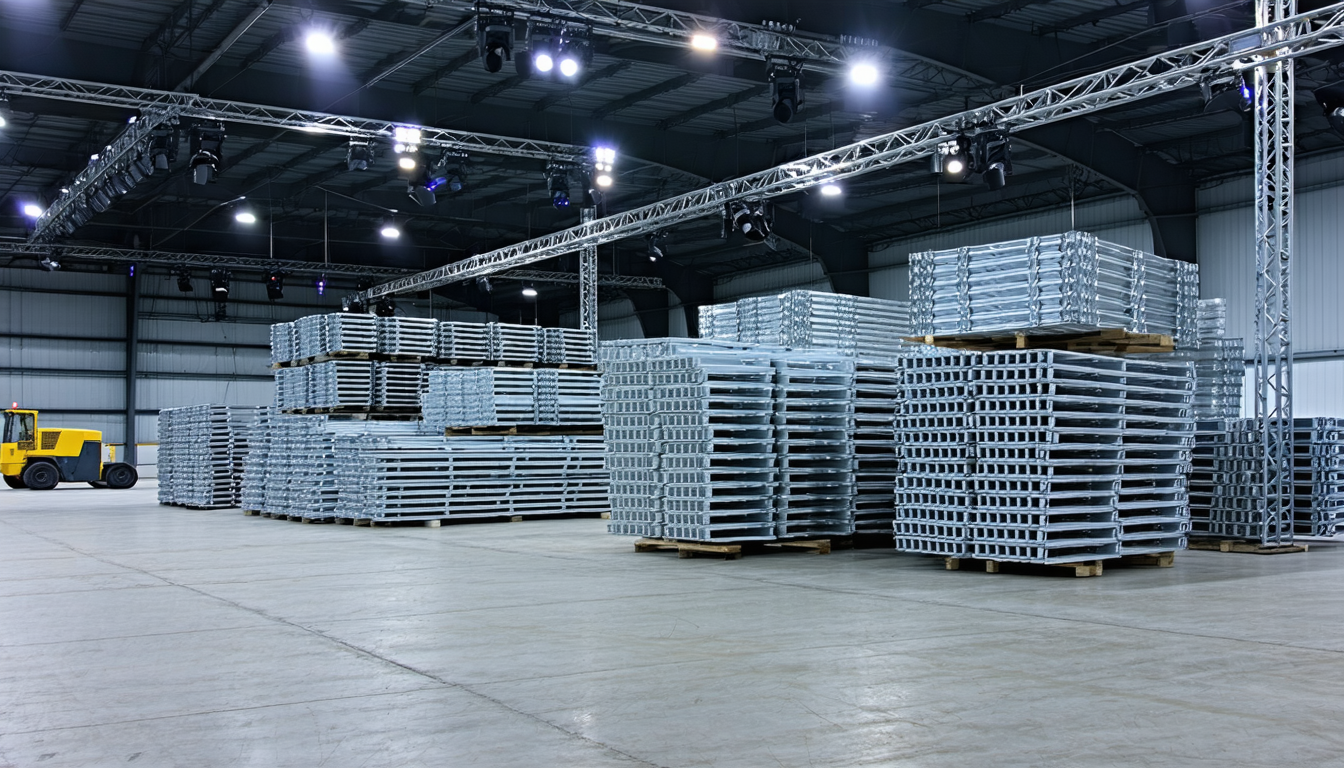
Truss and rigging hardware:
- Weld inspection — look for cracks, especially at joints. Any visible cracks mean the truss is scrap.
- Corrosion — surface rust is manageable. Deep pitting or structural corrosion is dangerous.
- Certification and testing — in the UK, truss should have LOLER certification. Ask for test certificates.
- Compatibility — verify spigots, conicals, and connectors match your existing inventory.
Negotiating Price and Payment Terms
Used equipment pricing is fluid. List prices are starting points, not fixed. Use your inspection findings as leverage:
- Missing accessories (flight cases, cables, manuals) justify 10–15% discount.
- High hours or heavy cosmetic wear — push for 15–20% off.
- Batch purchases — buying multiples (e.g. a full lighting rig) should unlock volume discounts.
Payment terms vary. Private sellers want cash on collection. Established marketplaces accept card payments and offer buyer protection. For international purchases, clarify who covers shipping, customs, and VAT. Brexit has complicated EU–UK transactions — factor in delays and paperwork.
Shipping and Logistics
Large format gear — line arrays, staging, LED walls — requires specialist freight. Costs add up fast:
- Pallet shipping UK mainland: £80–£150 depending on size and weight.
- EU shipping: £200–£500+ depending on destination and customs.
- Flight case condition matters — damaged cases mean higher risk of transit damage and insurance claims.
Always insure high-value shipments. If buying from a marketplace, confirm whether shipping is included or if you’re arranging collection. For international buyers, verify the seller has experience with export documentation.
Warranty and Returns: Why It Matters
The difference between a protected purchase and a gamble comes down to warranty.
Private sellers and “as seen” sales: Once you’ve paid and collected, you own the problem. If a console’s power supply fails two days later, you’re paying for repair or replacement. If a line array cabinet develops a fault after the first gig, tough luck.
Marketplaces with buyer protection: 10K Used Gear’s 21-day warranty covers major defects. If equipment arrives faulty or fails within three weeks, you’re covered for repair or replacement. For purchases over £5,000, that peace of mind is worth paying a modest premium over private sale prices.
Always clarify warranty terms before purchase. Ask what’s covered, what’s excluded, and how claims are handled. Warranties that require you to ship faulty equipment back at your own cost are less valuable than those covering return shipping.
Typical Product Examples
| Product Category | Typical Use | Price Range (Used) |
|---|---|---|
| L-Acoustics KARA line array (per cabinet) | Touring, festivals, mid-large venues | £3,500–£5,000 |
| DiGiCo SD9 digital console | Live sound, broadcast, corporate | £8,000–£12,000 |
| Robe MegaPointe moving head | Touring, theatre, large events | £3,000–£4,500 |
| Martin ERA 800 Profile LED | Theatre, corporate, broadcast | £1,800–£2,500 |
| Shure Axient Digital wireless system (dual channel) | Live sound, theatre, broadcast | £2,500–£3,500 |
| Prolyte H30V truss (per metre) | Rigging, staging, lighting support | £40–£60 |
| ROE Visual CB5 MKII LED panels (per sqm) | Concerts, corporate, broadcast | £800–£1,200 |
Prices reflect typical market rates as of early 2026. Stock and pricing vary constantly — check current listings for real-time availability.
Frequently Asked Questions
Is used stage equipment reliable enough for professional use?
Yes, if purchased from reputable sources and properly inspected. Professional AV gear is built for years of touring and rental use. Most equipment is retired because companies are upgrading or downsizing, not because it’s worn out. Verified sellers with warranties offer reliability comparable to new gear at a fraction of the cost.
What’s the biggest risk when buying used audio or lighting equipment?
Hidden faults that only appear under load or after extended use. A console might power on fine in a showroom but develop channel dropouts during a live show. A line array cabinet might test clean but reveal a failing driver after a weekend festival. This is why buying from sellers offering a 21-day warranty is critical — it covers the break-in period when latent faults surface.
How much should I expect to save buying used vs new?
Savings depend on age, condition, and demand. Flagship line arrays and digital consoles typically sell for 40–60% of new retail after 2–4 years. LED moving heads depreciate 40–50% in the first three years. Staging and truss hold value better — expect 20–30% savings. Rare or discontinued models sometimes command near-new prices due to scarcity.
Can I return used equipment if it doesn’t meet expectations?
Only if the seller offers a returns policy or warranty. Private sales are almost always final — “as seen” means no recourse. Established marketplaces like 10K Used Gear provide a 21-day warranty covering major defects, giving you a window to test equipment properly and return faulty items. Always clarify return terms before purchase.
What should I check first when inspecting used pro audio gear?
Start with a full power-on test. For speakers, run a frequency sweep and listen for distortion or dead drivers. For consoles, test every fader, encoder, and I/O channel. Check connectors for wear, verify firmware is current, and ask for service history. Cosmetic damage is normal, but internal faults are deal-breakers. If the seller won’t allow a proper test, walk away.
Is it worth buying used rigging and truss?
Yes, but only if it’s been properly maintained and certified. Truss should have recent LOLER test certificates in the UK. Inspect every weld for cracks — any visible cracks mean the truss is unsafe and worthless. Surface rust is manageable, but deep corrosion compromises structural integrity. Well-maintained truss lasts decades and holds value better than most stage equipment.
Ready to Buy Used Stage Equipment?
Smart buyers combine inspection discipline with warranty protection. Whether you’re expanding a rental inventory, upgrading a venue install, or replacing touring gear, buying used delivers professional performance at a sustainable price — if you know what to check.
Browse current stock across audio, lighting, video, and staging — or get in touch if you’re looking for something specific.