
Industry Guides
The Cost of Holding Onto Equipment Too Long
Nov
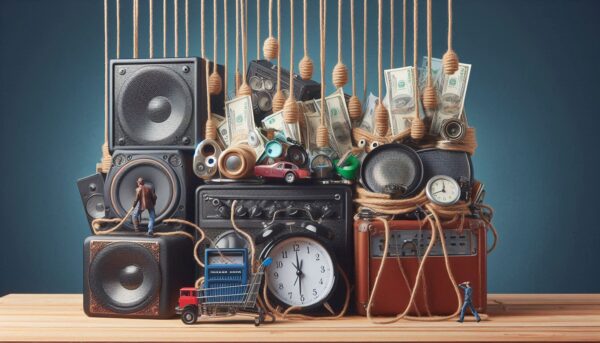
Non-productive assets take up valuable warehouse space and tie up capital. But beyond that, holding onto equipment for too long can result in significant hidden costs. Rental gear loses value as it ages, and every day that an item sits unused means more depreciation without bringing in revenue.
Some companies wait too long to address these issues, thinking, “We’ll need that eventually.” In reality, holding onto equipment that no longer aligns with your client demands or is nearing obsolescence will cost you more than selling it while it still holds value.
When to Upgrade Equipment
Upgrading equipment isn’t just about keeping up with the latest trends—it’s about maintaining a competitive edge in the market. Here are a few signs it’s time to consider upgrading:
- Frequent Repairs: When the cost of repairing equipment begins to outpace its rental income, it’s time to upgrade. Downtime due to repairs can also damage client relationships when you’re unable to provide reliable gear.
- Customer Demand: If your clients are requesting newer technology that you don’t have in stock, it’s a clear sign that an upgrade is necessary. Event production is evolving rapidly, and having the latest gear can mean the difference between winning or losing a contract.
- Outdated Features: Technology in sound, lighting, and video production continues to improve. Equipment that lacks modern features may still work but could leave your company at a disadvantage when clients expect advanced capabilities like automated controls, higher resolution, or more efficient power usage.
When to Sell Equipment
On the flip side, holding onto old or seldom-used equipment can drain your resources. Here’s when you should consider selling:
- Low Rental Frequency: If a piece of equipment isn’t being rented out regularly, it’s likely not worth keeping. Conduct regular inventory audits to identify underutilised assets. If something hasn’t been rented in 6-12 months, it might be time to sell or trade it in.
- High Maintenance Costs: As equipment ages, the cost of maintaining it can increase significantly. Regular repairs, parts replacements, and downtime can reduce profitability. If maintenance costs start eating into your profits, selling the asset is a better financial move.
- Space Constraints: If your warehouse is filling up with non-productive assets, consider selling some of the older or less popular equipment. Freeing up space allows you to bring in more in-demand gear that can be rented out frequently.
- Rapid Depreciation: Some equipment depreciates faster than others. It’s important to know when an asset is approaching the point where its value drops dramatically. Selling before this depreciation hits ensures you recover as much value as possible.
The Benefits of Selling and Reinvesting
When you sell off older or non-productive assets, you free up both space and capital to reinvest in equipment that is more in-demand. This reinvestment can lead to:
- Higher Rental Frequency: Newer equipment is typically more in-demand, resulting in more frequent rentals and a quicker return on investment.
- Reduced Maintenance Costs: New technology tends to be more reliable, requiring fewer repairs and maintenance checks, allowing you to focus more on customer service and growth.
- Improved Customer Satisfaction: Offering state-of-the-art equipment ensures that your clients are getting the best possible service and results, which can lead to repeat business and a stronger reputation.
Maximising ROI: A Strategic Approach
To maximise ROI, it’s important to take a proactive approach to managing your inventory. Regularly reviewing your assets and determining which items are no longer contributing to your company’s financial health is essential. At 10K Used, we specialise in helping companies make the most of their assets by turning underutilised equipment into cash or trade-in value. This allows you to reinvest in newer, more profitable gear and keep your business competitive in a constantly evolving industry.
Conclusion
Knowing when to upgrade and when to sell equipment is crucial for rental companies aiming to maximise ROI and stay ahead in the event production industry. By strategically managing your assets, you can reduce costs, increase profitability, and position your company as a leader in the field. If you’re ready to turn your non-productive assets into opportunities, contact us at 10K Used. We’re here to help you make the most of your equipment and ensure your business continues to grow.